
What Are Psychedelics?
In the mid-20th century, psychedelics entered Western consciousness primarily through the work of researchers like Albert Hofmann, who synthesized LSD, and R. Gordon Wasson, who documented the use of psilocybin mushrooms in Mexico. The 1960s saw a surge of interest in psychedelics, both in scientific research and popular culture. However, due to political and social backlash, psychedelics were criminalized in the 1970s, halting most research.
In recent decades, there has been a resurgence of interest in the therapeutic potential of psychedelics. Modern studies are building on ancient wisdom and mid-20th century research, showing promising results for a range of mental health conditions. This revival is paving the way for a new era of psychedelic-assisted therapy, bringing these ancient tools into contemporary clinical practice.

What Are Psychedelic Molecules?

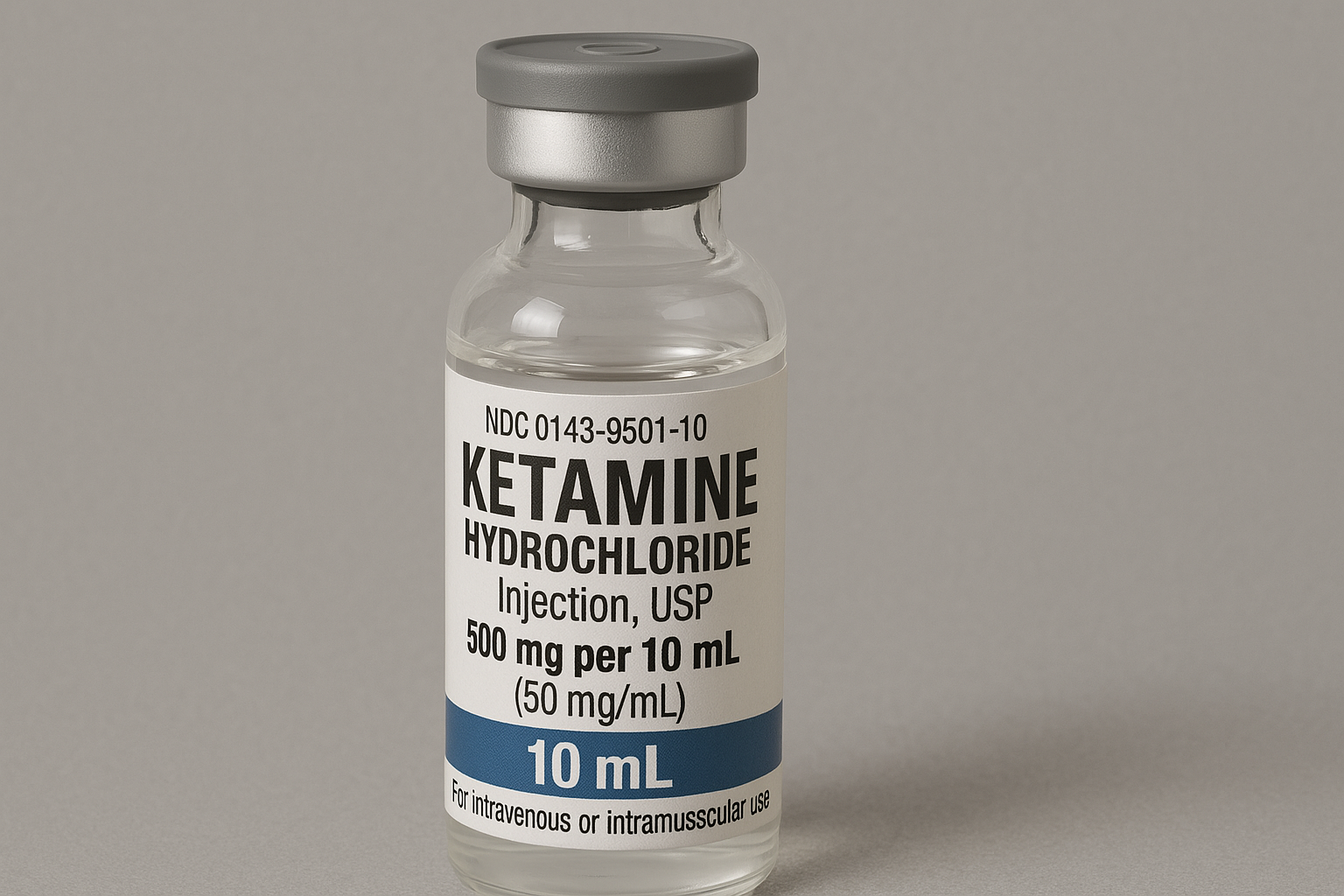

Understanding the differences between these compound classes is essential because each offers distinct therapeutic applications and requires different safety considerations. Tryptamines tend to produce visual alterations, emotional openness, and philosophical insights over a four-to-six-hour period, making them well-suited for addressing depression, anxiety, and existential distress. Empathogen-entactogens create states of emotional openness while maintaining mental clarity, which has proven particularly effective for processing trauma and facilitating therapeutic breakthroughs in PTSD treatment. Dissociative compounds offer rapid-acting relief from treatment-resistant depression and can facilitate dramatic perspective shifts through their unique mechanism of blocking certain receptors rather than activating them. The choice of which compound to work with depends on individual therapeutic goals, medical history, psychological readiness, and the specific condition being addressed. At ATMA CENA, our clinical team is trained in the unique properties and applications of each medicine class and works closely with clients to determine the most appropriate compound for their healing journey.
How Psychedelic Compounds Work in the Brain
The therapeutic power of psychedelic medicines lies in their ability to create temporary but profound changes in brain function that can catalyze lasting psychological transformation. Most classic psychedelics exert their primary effects by binding to and activating serotonin 2A receptors, particularly in the prefrontal cortex and other regions involved in perception, emotion, and cognition. This receptor activation triggers a cascade of neurobiological effects including increased communication between brain regions that don’t normally interact, temporary disruption of the default mode network responsible for self-referential thinking and ego maintenance, enhanced neuroplasticity that allows the brain to form new neural connections and break free from rigid patterns, and modulation of various neurotransmitter systems that regulate mood and emotional processing. Neuroimaging studies using fMRI and other technologies have revealed that psychedelics don’t simply activate the brain randomly—rather, they create highly organized states of “controlled chaos” where increased entropy and cross-talk between brain networks allows for novel perspectives, emotional breakthroughs, and the dissolution of maladaptive thought patterns that underlie many mental health conditions.
The concept of neuroplasticity is central to understanding psychedelic therapy’s lasting benefits. These compounds promote the growth of new dendritic branches and synaptic connections, essentially allowing the brain to rewire itself during and after the psychedelic experience. This enhanced plasticity creates what researchers call a “critical period”—a window of heightened malleability similar to developmental stages in childhood when the brain is most receptive to new learning and pattern formation. During this critical period, which can last for days or weeks after a psychedelic session, individuals are more capable of breaking old habits, processing traumatic memories without overwhelming distress, forming new perspectives on long-standing problems, and integrating insights into lasting behavioral changes. This is why the integration phase following a psychedelic experience is so crucial—the medicines open a window of opportunity, but it’s the therapeutic work done during this enhanced plasticity period that determines whether temporary insights become permanent transformation. The neuroplasticity effects help explain why psychedelic therapy can produce rapid, substantial improvements in conditions like depression and PTSD that might otherwise require years of conventional treatment, and why even a single session can sometimes catalyze changes that persist for months or years.
Safety, Research, and Therapeutic Applications
One of the most remarkable aspects of psychedelic compounds is their exceptional safety profile when used in controlled therapeutic settings. Classic psychedelics have remarkably low physiological toxicity with no known fatal overdoses, minimal impact on organ systems, and no potential for physical dependence—in fact, many show anti-addictive properties. The primary risks are psychological, including challenging experiences and the theoretical risk of triggering latent conditions in predisposed individuals, which are effectively mitigated through comprehensive screening, careful dosing, and professional support. Certain medical conditions and medication interactions require caution, particularly with cardiovascular issues and psychiatric medications like SSRIs or lithium, making thorough medical screening essential.
The current renaissance in psychedelic research is producing compelling evidence across mental health conditions. Clinical trials show empathogen-entactogen therapy produces lasting PTSD symptom reductions, tryptamine-based therapy demonstrates rapid improvements in treatment-resistant depression and end-of-life anxiety, and various compounds show promise for addiction treatment. What makes these results especially compelling is their durability—benefits from one or few sessions often persist for months or years, with many describing their experiences as among the most meaningful of their lives.
In Canada, the legal landscape is evolving rapidly. While most psychedelic compounds remain controlled substances, Health Canada has been granting exemptions for compassionate use, research trials, practitioner training, and individual patient access. ATMA CENA operates within all regulations and works to provide legal access for eligible clients. As research demonstrates safety and efficacy, we anticipate continued regulatory evolution toward broader therapeutic access.
Why Psychedelics are Effective in Therapy
Emotional Release & Insight
Psychedelics can facilitate the release of deep-seated emotions and traumas, allowing individuals to confront and process difficult experiences in a safe and supportive setting. This can lead to significant emotional breakthroughs and a greater understanding of one’s self and experiences.
Altered States of Consciousness
Psychedelics induce altered states of consciousness that can provide profound, transformative experiences. These experiences often lead to a sense of interconnectedness, spiritual insight, and a reevaluation of personal values and goals. Such shifts in perspective can be deeply therapeutic, helping individuals to find meaning and purpose in their lives.
Enhanced Therapeutic Alliance
The use of psychedelics in therapy can strengthen the bond between the therapist and the client. Substances like MDMA promote feelings of trust, empathy, and openness, which can enhance the therapeutic relationship and create a more conducive environment for healing.
Reduced Fear Response
Psychedelics like MDMA have been shown to reduce activity in the amygdala, the brain region responsible for processing fear. This reduction in fear response can help individuals to confront traumatic memories without being overwhelmed, making it easier to process and integrate these experiences.
Neuroplasticity
One of the most exciting aspects of psychedelics is their ability to promote neuroplasticity, the brain’s capacity to reorganize itself by forming new neural connections. Psychedelics can enhance neuroplasticity, enabling individuals to break free from negative thought patterns and develop healthier, more adaptive ways of thinking. This increased neural flexibility is particularly beneficial for treating conditions like depression and PTSD, where rigid, maladaptive thought patterns often play a central role.
Lasting Positive Changes
The combination of psychedelic experiences and therapeutic guidance can lead to lasting positive changes in mental health and well-being. Many individuals report sustained improvements in mood, outlook, and overall quality of life following psychedelic-assisted therapy.
Educational articles & quotes
General
- Psychedelic Assisted Therapy: Risks, Considerations, Contraindications (verywellmind.com)
- What to Know About Guided Psychedelic Therapy in Canada | Best Health (besthealthmag.ca)
- Alberta sets standards for psychedelic drug-assisted therapy | Globalnews.ca
MDMA
- MDMA-Assisted Therapy Demonstrates Significant Reductions in Post-Traumatic Stress Disorder Symptoms in Phase 3 Study (pharmacytimes.com)
- FDA Grants Breakthrough Therapy Designation for MDMA-Assisted Therapy for PTSD, Agrees on Special Protocol Assessment for Phase 3 Trials – Multidisciplinary Association for Psychedelic Studies – MAPS
- New Study Finds MDMA Effective in Treatment of PTSD | Psychology Today
- What to Know About Guided Psychedelic Therapy in Canada | Best Health (besthealthmag.ca)
Psilocybin
- How Psilocybin Reduces Symptoms of Depression | Psychology Today
- How Magic Mushrooms Can Fix Depression | Psychology Today
- Psilocybin for Depression: What You Need to Know (verywellmind.com)
- Psilocybin Treatment for Major Depression Effective for Up to a Year for Most Patients, Study Shows | Johns Hopkins Medicine
Ketamine