
Online Course
Designed as part two of our Integrative Pathway, this course helps practitioners build an informed and ethical understanding of psychedelic-assisted therapy. It prepares participants to thoughtfully support clients navigating psychedelic experiences in other settings, with clarity around professional boundaries, scope, and best practices.

CE Credits
Modules
Duration
Live Sessions

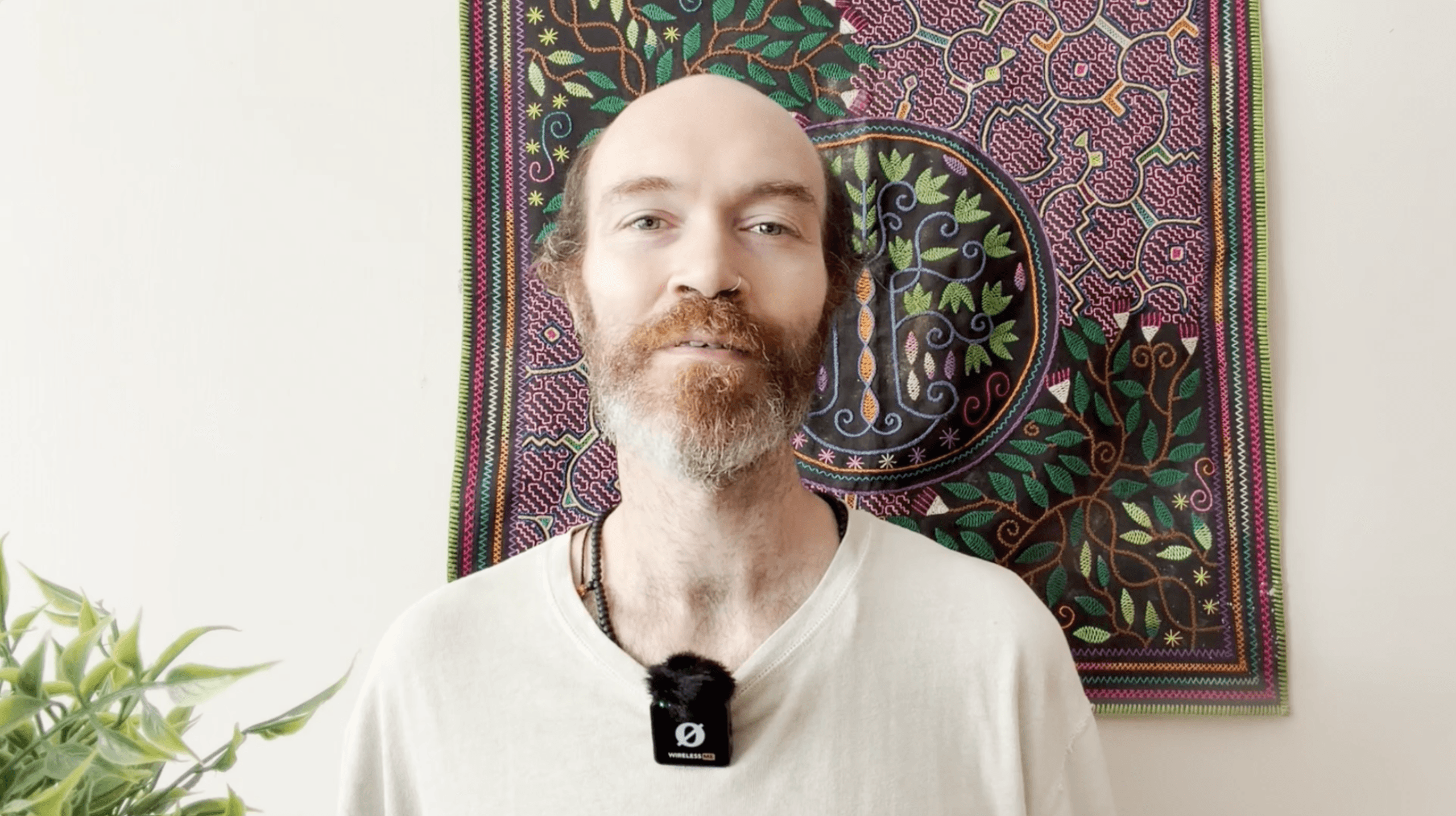
A dedicated part of the training curriculum, these sessions offering participants a space to pause, reflect, and integrate their learning while supporting their own well-being. Hosted by Matthew Keleman, these 60-minute online sessions provide practical tools and guided practices to help participants stay grounded and resourced as they move through the training.


Sponsored by the Canadian Psychological Association
Psychedelic-assisted therapy training sharpens the fundamentals of exceptional care — presence, attunement, ethics and integration — deepening every session you lead, with every client, in any modality.
Learn to hold space with the calm, attuned presence that changes the quality of every session — not just psychedelic ones.
Carry the distinction between trauma-informed and trauma-focused care into all of your work, with every client you see.
Sharpen the consent, boundaries and safety practices that protect — and build trust with — everyone in your care.
Help clients turn insight into durable, real-world change — a skill that elevates outcomes across your whole practice.
Join the clinicians building a responsible, ethical foundation for psychedelic-assisted therapy — and open the door to everything that comes next.
Have questions about credits, your requirements, or how ATMA CENA training fits your career path? Our advisors will walk you through it — no pressure, just answers.
ATMA CENA offers three distinct training pathways depending on your role. The Clinical Pathway is designed for licensed therapists, psychologists, counsellors, and social workers preparing to deliver psychedelic-assisted therapy directly. The Prescriber Pathway is built for physicians, psychiatrists, and nurse practitioners who want to prescribe, oversee, or refer with confidence. The Integrative Pathway is for wellness professionals — coaches, addictions counsellors, and allied health practitioners — who want to show up informed and ethical in a collaborative care model. Every pathway begins with the same foundational course, so the entry point is the same regardless of your background.
Psychedelic-Assisted Therapy Foundations is the ideal starting point — a 14-hour, self-paced online course covering the history, science, ethics, and clinical application of psychedelic-assisted therapy. It’s designed to be accessible to any mental health or wellness professional and earns 14 CE credits upon completion. From there, you move into the advanced course for your specific pathway.
Yes. ATMA CENA’s programs are accredited and eligible for CE or CME credits depending on your designation. The Clinical and Integrative pathways are CE-eligible; the Prescriber Pathway is CME-eligible. Credit counts vary by course — speak with a student advisor for details specific to your credential and province.
Yes. The Immersive Experience is an optional experiential add-on available to graduates of any advanced pathway. It moves practitioners through the full arc of psychedelic-assisted therapy from the client perspective — intake, preparation, a medically supervised immersive weekend, and integration — in a small group cohort of maximum 10 participants. Clinical screening is required for participation. Spots are limited — speak with a student advisor to learn more.
Our Foundations course is completely self-paced, allowing you to complete it on your own time.
Each Advanced course includes live Q&A sessions and small group scenario work at set points, but the core curriculum is designed to fit around a full clinical practice. The Supervised Learning Lab runs as four weekly live sessions of two hours each — the most time-structured component in any pathway — and is capped at eight participants to keep the experience substantive. If you’re considering the Psychedelic Therapy Immersive, that program includes an in-person component in Calgary and requires dedicated time away.
ATMA CENA is both a training organization and an operating clinic network — which means the curriculum is built from the inside out, by practitioners who are actively delivering this work across Canada. Graduates of the Clinical Pathway can enter ATMA CENA’s CoCare model and practice within that network directly, so training doesn’t end at certification. The faculty includes recognized leaders in the field, the programs are accredited for CE and CME credits, and the cohort model is kept deliberately small to prioritize depth over volume. This isn’t a theoretical introduction — it’s preparation for actual practice.
When you enroll in an ATMA CENA course, you have lifetime access to the learning materials.
You can return to the lessons and reference what you’ve learned for as long as the information remains part of our offerings. To receive a certificate of completion, students must finish the learning content within 12 months of enrollment. This ensures ATMA CENA certificates reflect current, relevant learning in a fast-evolving field.
If you need an extension to complete one of our advanced courses, cohort transfers are available for a fee.
Yes! We work with WCB and other extended health benefit plans, and offer flexible payment plans and financing options to help make your care accessible. Book a Free Info Call to get clarity on costs, coverage, and next steps.
For training, we offer payment plans through Kajabi with 2-month and 3-month payment options. Book a call with a Student Advisor to learn more!