
Ketamine-Assisted Therapy Immersive Experience
The KAT Immersive Experience is designed for practitioners who wish to support their own therapeutic goals while deepening their understanding of psychedelic assisted therapy from the client perspective.
Practitioners who are assessed as appropriate candidates for the KAT Immersive Experience will be placed into a group cohort, where they will experience the full arc of KAT care—from intake and preparation through dosing sessions and integration—while developing practical insight into intention setting, holding space, and integration approaches

Psychedelic therapy training
2,400+ tax · one-time
- 3d
- 4 Modules
- 4
- Modules
- 3d
- Duration
- 3
- Live sessions
Upcoming cohorts
Choose the intake that works best for you.
Fall 2026
- Intention setting
- October 26, 2026 (virtual)
- Orientation
- November 2, 2026 (virtual)
- Immersive weekend
- November 6, 7 & 8, 2026
- Integration
- November 10, 2026 (virtual)
Winter 2027
Dates to be announced.
Not sure which cohort fits? Talk it through with a student advisor.
What you’ll cover
- 1
Virtual Intention
Participants will be paired with a partner and receive intention setting coaching and opportunity to practice this skill
- 2
Virtual Orientation
One online session focused on orientation & readiness.
- 3
In-Person Immersive Weekend
The in-person session will run from Friday at 12pm to Sunday at 4pm. It will be held at ATMA CENA's Calgary Clinic.
- Friday: Group psycholytic session
- Saturday: Half the group participates in dosing, the other partners hold space
- Sunday: Groups switch roles
*Note: for participants who wish to participate in an individual healing journey, this option will follow the same clinical framework of preparation and integation requirements, delivered in a one-on-one format.
- 4
Virtual Integration
Participants will receive integration coaching and have opportunity to pracice additional dyad-based integration exercises
Course highlights
Hosted in our Calgary Clinic
Hosted in our ATMA CENA licensed and accredited clinics, or out of province affiliate clinics (coming soon)
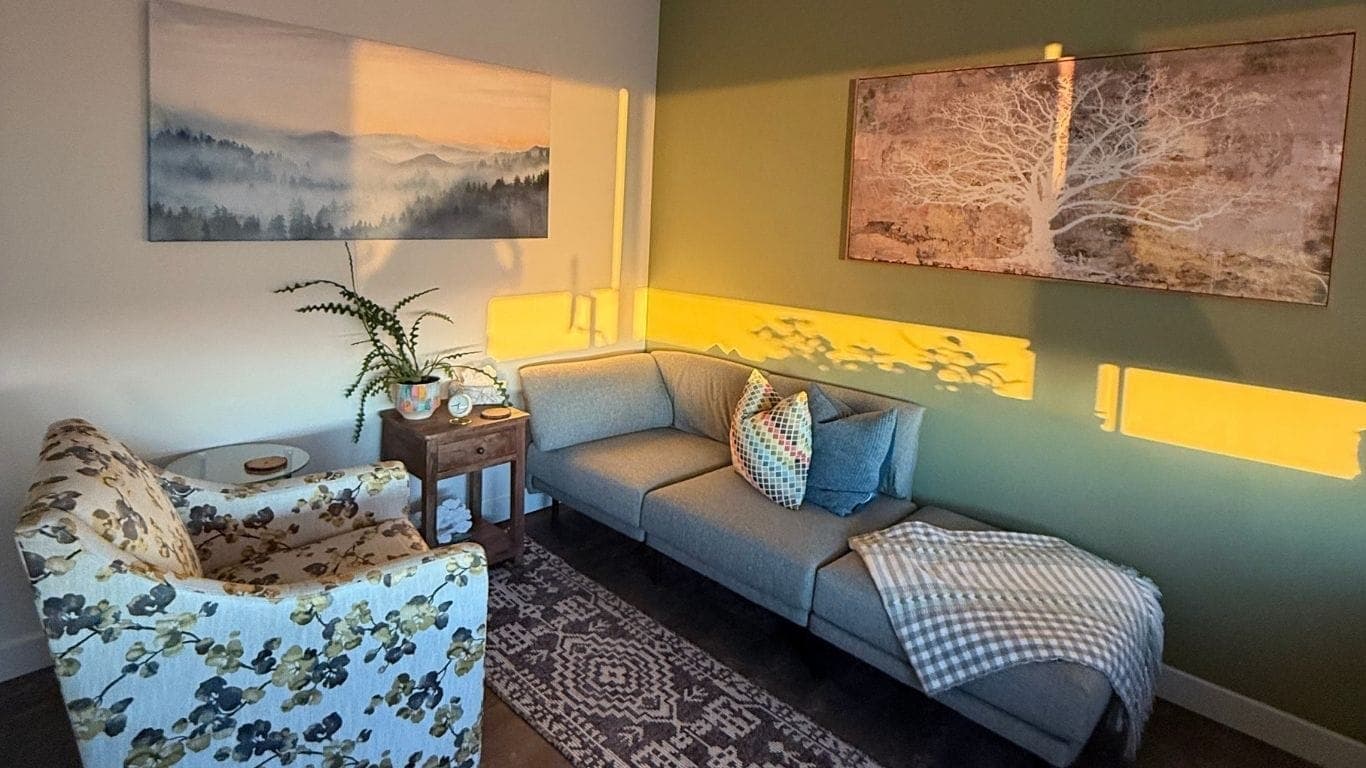
Limited Cohort Size
The Immersive Experience has limited space for optimal experience. Schedule an info call to ensure adequate time for the intake process
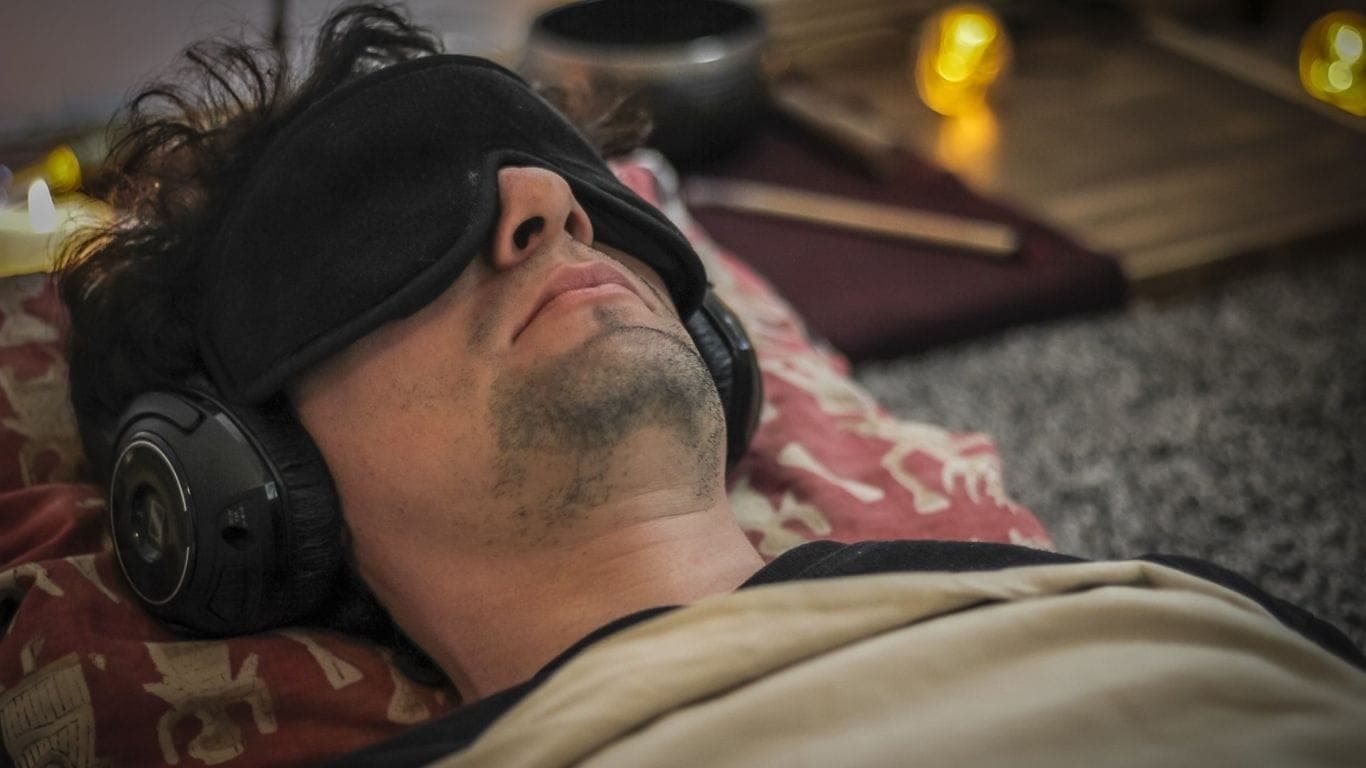
Experience Both Sides of the Coin
If you are open to engaging in this powerful work as both a practitioner and a participant (group cohort), this experience is for you!

Sponsored by the Canadian Psychological Association
Why people choose ATMA CENA
Register today
The field is moving. Move with it.
Join the clinicians building a responsible, ethical foundation for psychedelic-assisted therapy — and open the door to everything that comes next.
Full course access
2,400+ tax · one-time
- 4 modules
- Certificate of completion
- Cohort-based learning
- 3d of content
- Immersive add-ons available
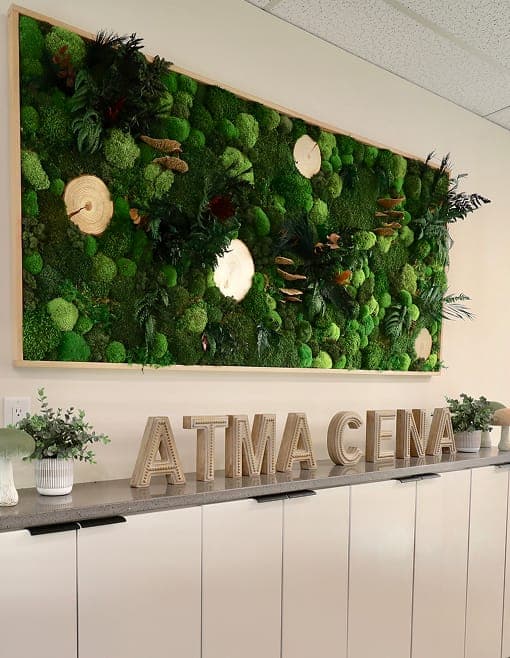
Not sure if it's right for you?
Talk to a student advisor
Have questions about credits, your requirements, or how ATMA CENA training fits your career path? Our advisors will walk you through it — no pressure, just answers.
Frequently asked questions
Do you offer payment plans or financing?
Yes! We work with WCB and other extended health benefit plans, and offer flexible payment plans and financing options to help make your care accessible. Book a Free Info Call to get clarity on costs, coverage, and next steps.
For training, we offer payment plans through Kajabi with 2-month and 3-month payment options. Book a call with a Student Advisor to learn more!
How does Lifetime Course Access work?
When you enroll in an ATMA CENA course, you have lifetime access to the learning materials.
You can return to the lessons and reference what you've learned for as long as the information remains part of our offerings. To receive a certificate of completion, students must finish the learning content within 12 months of enrollment. This ensures ATMA CENA certificates reflect current, relevant learning in a fast-evolving field.
If you need an extension to complete one of our advanced courses, cohort transfers are available for a fee.
What makes ATMA CENA's training different from other programs in this space?
ATMA CENA is both a training organization and an operating clinic network — which means the curriculum is built from the inside out, by practitioners who are actively delivering this work across Canada. Graduates of the Clinical Pathway can enter ATMA CENA's CoCare model and practice within that network directly, so training doesn't end at certification. The faculty includes recognized leaders in the field, the programs are accredited for CE and CME credits, and the cohort model is kept deliberately small to prioritize depth over volume. This isn't a theoretical introduction — it's preparation for actual practice.
How is the training delivered, and can I complete it while working full time?
Our Foundations course is completely self-paced, allowing you to complete it on your own time.
Each Advanced course includes live Q&A sessions and small group scenario work at set points, but the core curriculum is designed to fit around a full clinical practice. The Supervised Learning Lab runs as four weekly live sessions of two hours each — the most time-structured component in any pathway — and is capped at eight participants to keep the experience substantive. If you're considering the Psychedelic Therapy Immersive, that program includes an in-person component in Calgary and requires dedicated time away.
Is there a way to experience the therapy before I offer it to clients?
Yes. The Immersive Experience is an optional experiential add-on available to graduates of any advanced pathway. It moves practitioners through the full arc of psychedelic-assisted therapy from the client perspective — intake, preparation, a medically supervised immersive weekend, and integration — in a small group cohort of maximum 10 participants. Clinical screening is required for participation. Spots are limited — speak with a student advisor to learn more.
Does ATMA CENA Psychedelic Therapy training count toward my continuing education credits?
Yes. ATMA CENA's programs are accredited and eligible for CE or CME credits depending on your designation. The Clinical and Integrative pathways are CE-eligible; the Prescriber Pathway is CME-eligible. Credit counts vary by course — speak with a student advisor for details specific to your credential and province.
Where do I start?
Psychedelic-Assisted Therapy Foundations is the ideal starting point — a 14-hour, self-paced online course covering the history, science, ethics, and clinical application of psychedelic-assisted therapy. It's designed to be accessible to any mental health or wellness professional and earns 14 CE credits upon completion. From there, you move into the advanced course for your specific pathway.
Who is ATMA CENA Psychedelic Therapy Training for?
ATMA CENA offers three distinct training pathways depending on your role. The Clinical Pathway is designed for licensed therapists, psychologists, counsellors, and social workers preparing to deliver psychedelic-assisted therapy directly. The Prescriber Pathway is built for physicians, psychiatrists, and nurse practitioners who want to prescribe, oversee, or refer with confidence. The Integrative Pathway is for wellness professionals — coaches, addictions counsellors, and allied health practitioners — who want to show up informed and ethical in a collaborative care model. Every pathway begins with the same foundational course, so the entry point is the same regardless of your background.