

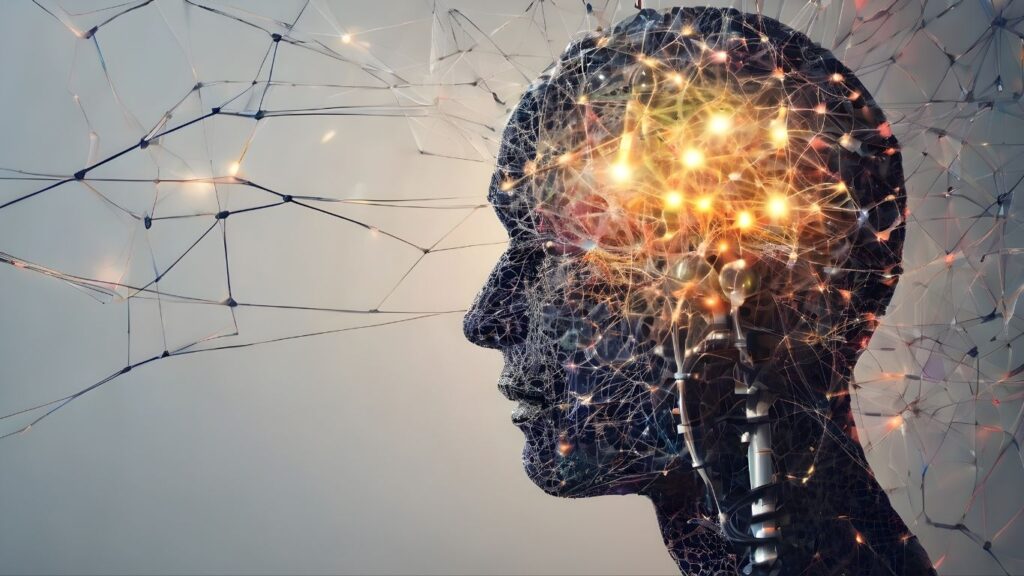
“Can psychedelics really change your brain for the better?” Not long ago, that question would have been brushed aside as fringe. Today, it’s one of the most exciting conversations happening in mental health research — and the early answers are genuinely hopeful.
The short version? It appears so! A growing body of evidence suggests that certain carefully regulated psychedelic compounds can support brain health in ways that many conventional treatments simply haven’t been able to.
Here’s what we’re learning.
Your Brain Is More Flexible Than You Think
Scientists have a now-common term — neuroplasticity — that sounds more complicated than it is. It simply means your brain’s ability to rewire itself, growing new connections and adapting over time. It’s how you learn, heal, and grow.
Here’s the tough part: depression, chronic stress, and trauma can actually reduce that flexibility. They shrink parts of the brain and make it harder to break out of painful patterns. That’s part of why traditional antidepressants and talk therapy — as helpful as they can be — sometimes only manage the symptoms without really getting to the root.
Where Psychedelics Come In
Recent research, including both preclinical studies and early human trials, suggests that certain psychedelic compounds can give your brain a real boost in flexibility. In plain terms, they appear to:
- Encourage your brain to produce more of a protein (called BDNF) that helps nerve cells grow and stay healthy
- Help neurons literally form more connection points with each other
- Strengthen the way brain cells communicate
The result? People often describe improved mood, a greater sense of emotional resilience, and a new kind of mental openness. What’s especially remarkable is that many of these changes seem to last — weeks or even months after a single session.
Quieting the Mental Loop
You know that inner voice that can’t stop replaying worries, regrets, or old stories? Scientists have a name for the brain network behind it: the Default Mode Network, or DMN. In people living with depression, anxiety, or addiction, this network tends to be stuck on overdrive.
Psychedelic compounds appear to gently quiet that part of the brain for a while — creating a kind of mental breathing room. Combined with the safety of a therapeutic setting, that pause can make real, lasting change possible.
What Brain Scans Are Showing
Thanks to modern brain imaging, researchers can now actually see these changes unfold. MRI studies have captured shifts in how different parts of the brain communicate during and after a psychedelic experience — and those shifts often match the improvements people describe in their daily lives. Practitioners in Saskatoon, Edmonton, and across Canada are increasingly weaving this science into their clinical work.
Curious whether psychedelic therapy might support your own healing journey? Learn more about ATMA CENA’s approach at atmacena.com/psychedelic-assisted-therapy.