

Medically reviewed by Jacques Lovely, RN, MN, MBA, PMP (Reg. #74334), Head of Western Operations, ATMA CENA.
Psychedelic-assisted therapy training prepares licensed Canadian mental-health clinicians to deliver supervised therapy with regulated psychedelic medicines. This guide covers what the training builds, the federal and provincial regulatory landscape, ATMA CENA’s three pathways (Integrative, Clinical, Prescriber), substance-specific competencies, certification and continuing-education credits, eligibility by profession, the course structure, online versus in-person delivery, and a step-by-step path from licence to practice.
Key takeaways
- Psychedelic-assisted therapy in Canada operates under two regulatory tracks: Health Canada’s Special Access Program (for psilocybin and MDMA) and provincial off-label rules (for ketamine).
- Health Canada SAP approval rates for psilocybin and MDMA dropped sharply through 2025 and remain case-by-case. Training prepares clinicians whether or not specific patients receive SAP authorization.
- ATMA CENA offers three pathways: Integrative, Clinical, and Prescriber. Each is anchored by the PAT Foundations course (14 hours) and adds advanced courses, supervised practicum, and substance-specific modules.
- Training is open to physicians, psychologists, registered psychotherapists, registered counsellors, registered nurses, and registered social workers, with eligibility varying by province.
- CE credit values per ATMA CENA course are confirmed: Foundations 14 credits; Applied Clinical Practice 46 credits; Prescribing & Oversight 40 credits; Advanced Safety & Support 38 credits; Supervised Learning Lab 8 credits.
Not sure which pathway fits your licence? Book a call with a student advisor to find the right starting point.

What Is Psychedelic-Assisted Therapy Training?
Psychedelic-assisted therapy (PAT) training prepares a licensed mental-health clinician to deliver three components beyond conventional psychotherapy: substance-specific pharmacology and physiology, supervised dosing-day skills, and integration psychotherapy. The medicine itself is not the treatment. The therapeutic relationship, the preparation, and the integration are the active ingredients of clinical effect (Hartogsohn, 2018). Training therefore layers PAT-specific competencies on top of a clinician’s existing licensure rather than replacing core psychotherapy skills.
The first published competency framework for psychedelic therapist training defined six core competencies — empathetic abiding presence, trust enhancement, spiritual intelligence, knowledge of physical and psychological effects, self-awareness and ethical integrity, and proficiency in complementary techniques — and twelve curricular areas required for adequate preparation (Phelps, 2017). A four-component psilocybin therapist training program subsequently evaluated 65 clinicians across Canada, the United States, and Europe and reported that all 37 surveyed trainees rated the training “very good” or “excellent” overall, with clinical training and direct participant care described as the most beneficial elements (Tai et al., 2021).
Programs that focus on theory alone, without supervised practicum and a regulatory layer, leave clinicians unprepared to enter clinical practice. Health Canada’s risk-management expectations for clinical trials state that during the phase in which the drug is being administered, a minimum of two therapists must be present, and that any unlicensed members of the therapy team must be under the direct supervision of a licensed therapist (Health Canada, 2022). ATMA CENA’s pathways are designed to build all three competency layers in sequence.
Canada’s Regulatory Landscape for Psychedelic Therapy
A clinician evaluating PAT training in Canada needs working knowledge of two regulatory layers: federal access pathways for the medicines themselves, and provincial scope-of-practice rules for each profession.
Federal: Health Canada and the Special Access Program
Psilocybin and MDMA remain Schedule III restricted drugs under the Controlled Drugs and Substances Act. They are not commercially approved medicines. Patient access for clinical use is available only through Health Canada’s Special Access Program (SAP). In January 2022, Health Canada amended SAP regulations to formally include psilocybin and MDMA, and issued a class exemption that streamlines aspects of the application process for psychedelic-assisted psychotherapy (Health Canada, 2022). The conditions Health Canada has named within scope of SAP are end-of-life distress and treatment-resistant major depressive disorder for psilocybin, and post-traumatic stress disorder for MDMA.
SAP authorization is not guaranteed. The Psychedelic Association of Canada published an analysis in September 2025 documenting an approximately 50 percent year-over-year decline in SAP approvals for psilocybin and MDMA (PsyCan, 2025). As of May 2026, this access bottleneck is the most consequential regulatory fact a Canadian clinician should understand before training. Training programs remain valuable independent of SAP approval rates because preparation and integration competencies apply to clinical-trial contexts, ketamine-assisted therapy, and patients whose physicians are pursuing SAP authorization.
Health Canada permits only synthetic psilocybin in the SAP context. Natural psilocybin is not permitted.
Provincial: Regulators of Medical and Psychotherapy Practice
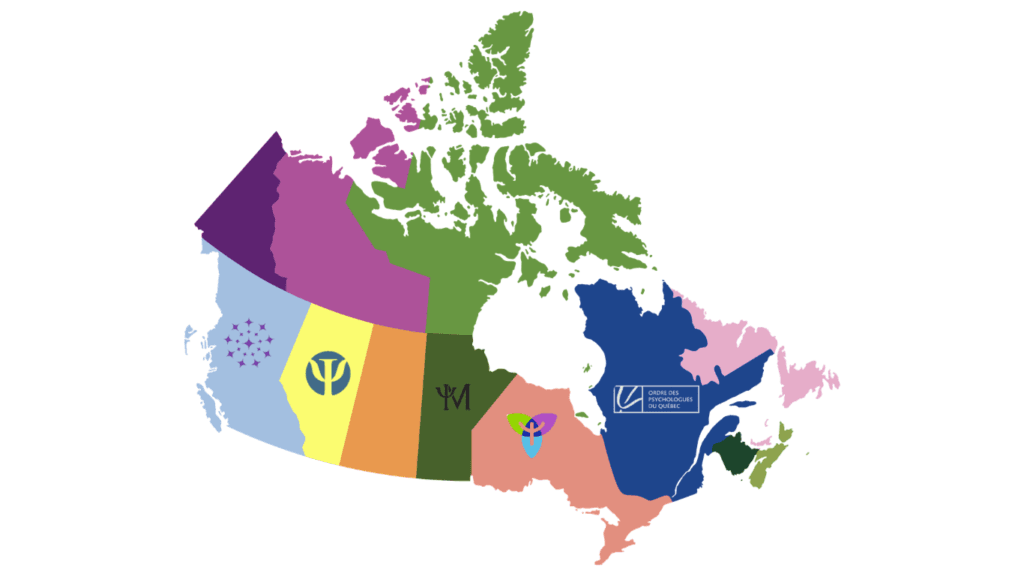
Each province’s regulator governs the practice of medicine, psychology, psychotherapy, counselling, nursing, and social work. The relevant regulators for PAT practice include:
Alberta: College of Physicians and Surgeons of Alberta (CPSA) for ketamine and physician-led PAT; College of Alberta Psychologists (CAP) for psychology practice. CAP issued the first provincial-college Practice Guideline on Psychedelic-Assisted Psychotherapy in Canada on June 30, 2025. CPSA requires that PAT must be provided within a CPSA-accredited medical facility by a psychiatrist or a physician in consultation with a psychiatrist (CPSA, 2026).
Ontario: College of Physicians and Surgeons of Ontario (CPSO); College of Registered Psychotherapists of Ontario (CRPO). As of May 2026, CRPO is in the process of developing guidance on the legal frameworks for psychedelic-assisted therapy and has not yet finalized comprehensive PAP-specific standards. CPSO has not issued a ketamine-specific or PAT-specific policy.
British Columbia: College of Physicians and Surgeons of BC (CPSBC) issued Version 1.3 of Interim Guidance on Ketamine Administration via Intramuscular, Oral, Sublingual, Intranasal Routes on August 11, 2025. The document remains interim guidance pending a full practice standard (CPSBC, 2025).
Quebec: Collège des médecins du Québec; Ordre des psychologues du Québec (OPQ). Both the title psychothérapeute and the act of psychotherapy are restricted in Quebec to those holding an OPQ permit, requiring 765 hours of theoretical training and 300 hours of supervised treatment with at least 10 clients.
Manitoba: College of Physicians and Surgeons of Manitoba (CPSM) issued Ketamine: What Prescribers and Pharmacists Need to Know on January 20, 2026, stating that physicians must ensure they have the knowledge, skill, and clinical judgement to prescribe ketamine safely (CPSM, 2026).
Who Can Train: Eligibility by Profession and Province
In most Canadian provinces, the following licensed clinicians are eligible to train in psychedelic-assisted therapy and integrate it into practice within their scope: physicians (MDs, including psychiatrists and family physicians), nurse practitioners, registered psychologists, registered psychotherapists (Ontario), permit-holding psychotherapists (Quebec), registered counsellors, registered nurses, and registered social workers.
Training itself is open broadly. The question is what graduates can do with the training under their provincial scope.
| Profession | Typical scope in PAT | Province-specific notes |
|---|---|---|
| Physicians (MDs, including psychiatrists) | Full scope: prescribing, oversight, therapy delivery | CPSA requires CPSA-accredited facility and psychiatrist or physician-in-consultation in Alberta |
| Nurse Practitioners | Prescribing within provincial NP scope; therapy within their training | Provincial NP regulations vary |
| Registered Psychologists | Therapy delivery, assessment, integration | Title psychologist restricted to provincial-college registrants |
| Registered Psychotherapists (Ontario) | Therapy delivery within CRPO scope | CRPO registrants only; psychotherapy is a controlled act in Ontario |
| Permit-holding Psychotherapists (Quebec) | Therapy delivery within OPQ permit scope | Title and act both restricted in Quebec |
| Registered Counsellors | Therapy delivery within counselling scope | CCPA registration recognized across provinces |
| Registered Nurses | Vital-sign monitoring, dosing-day support, integration support | Within RN scope per provincial College of Nurses |
| Registered Social Workers | Therapy delivery within MSW/RSW scope | Per provincial College of Social Workers |
Pathway selection is profession-aware. The Prescriber pathway is designed for independent prescribers (typically MDs and NPs). The Clinical pathway is designed for non-prescribing therapists. The Integrative pathway is open to all registered mental-health professionals and is often the entry point for clinicians evaluating whether to deepen.
ATMA CENA’s Three Training Pathways
ATMA CENA structures training as three pathways. Each is anchored by the PAT Foundations course as a prerequisite and adds pathway-specific advanced courses, supervised practicum components, and substance-specific modules.
Integrative (Essentials) Pathway
The Integrative pathway introduces foundational concepts of psychedelic-assisted therapy: the history of clinical research, the neurobiology of altered states, the therapeutic frame (set, setting, support), preparation and integration models, ethics, consent, and the Canadian regulatory landscape. It is designed for licensed mental-health clinicians and wellness professionals exploring whether to deepen into clinical PAT delivery, as well as for clinicians who will support patients through preparation and integration without delivering dosing sessions themselves.
Bundle: PAT Foundations + Advanced Safety & Support Practices — $3,870 (10% discount applied).
Clinical Pathway
The Clinical pathway is designed for clinicians who intend to deliver PAT directly with patients. It builds on the Integrative material and adds supervised practicum, role-specific clinical skills, multidisciplinary-team coordination, and assessment competencies including screening, contraindication identification, and integration planning. It is the primary pathway for registered psychotherapists, registered counsellors, registered psychologists, registered nurses, registered social workers, and physicians who plan to act as therapists rather than only as prescribers.
Bundle: PAT Foundations + Applied Clinical Practice + Supervised Learning Lab — $5,400 (10% discount applied).
Prescriber Pathway
The Prescriber pathway is designed for physicians and other independent prescribers responsible for ketamine prescribing, SAP application authorship, and medical oversight of PAT delivery. It covers ketamine pharmacology and titration, SAP application strategy and writing, cardiovascular and neurological screening, and integration of PAT into a multidisciplinary clinical team. Provincial-college guidance for ketamine prescribing (CPSA, CPSM, CPSO, CPSBC) is built into the curriculum.
Bundle: PAT Foundations + Prescribing & Oversight — $4,320 (10% discount applied).
Already trained and ready to bring psychedelic-assisted therapy into your practice? Explore the CoCare program for clinical protocols, operational systems, and access to a network of trained clinicians.

Substance-Specific Training: Ketamine, Psilocybin, MDMA, and Integration
Each medicine in the PAT field requires distinct competencies. Comprehensive training covers a shared therapeutic core and then layers on substance-specific knowledge.
Ketamine-Assisted Psychotherapy (KAT)
Ketamine is the most clinically accessible PAT context in Canada because it is a Health Canada-approved anaesthetic and can be prescribed off-label by licensed physicians under provincial regulatory guidance. Training covers screening, dose-finding, route of administration (intramuscular, intranasal, sublingual, oral, intravenous), session structure, safety monitoring, and integration. Provincial-college guidance varies materially: CPSA Alberta requires CPSA-accredited facilities and psychiatrist oversight (CPSA, 2026); CPSM Manitoba emphasizes prescribing competence and DPIN review (CPSM, 2026); CPSBC BC’s interim guidance covers non-IV routes specifically (CPSBC, 2025).
Ketamine’s rapid antidepressant effect operates through NMDA receptor antagonism that disinhibits glutamate release, activates AMPA receptors, and triggers BDNF-mTOR signalling cascades that promote synaptogenesis — a mechanism synthesized across 141 peer-reviewed publications (Kang, Hawken & Vazquez, 2022). A Canadian community ketamine program in Edmonton, Alberta, reported a 44% response rate and 16% remission rate among the first 50 ultra-treatment-resistant patients, 90% of whom had previously failed electroconvulsive therapy (Chrenek et al., 2023). A Cochrane systematic review of 64 randomized controlled trials documented esketamine’s increased response and remission rates in TRD beginning at 24 hours post-first-dose (Dean et al., 2021).
Important notice on ketamine off-label use: Ketamine is a federally approved anaesthetic. Use for depression, anxiety, PTSD, and other mental-health indications is off-label. Off-label prescribing is legally permitted across Canadian provinces; however, provincial college requirements vary. In Alberta, CPSA accreditation is required for facilities offering ketamine-assisted therapy. In British Columbia, CPSBC interim guidance (Version 1.3, August 2025) governs non-IV administration. In Manitoba, CPSM guidance (January 2026) applies. In Ontario, CPSO has no ketamine-specific policy; physicians must demonstrate adequate knowledge, skill, and judgment to prescribe.
Psilocybin-Assisted Therapy
Psilocybin training is built around the Health Canada SAP framework. Clinicians who train in psilocybin-assisted therapy in Canada are typically working in clinical-trial contexts, in palliative-care settings where end-of-life-distress applications are more frequently approved, or in a supportive role for patients pursuing physician-led SAP applications.
Goodwin et al. (2022), published in the New England Journal of Medicine, found that a single 25 mg dose of psilocybin produced a 12.0-point reduction in MADRS depression scores at three weeks compared with a 1 mg control dose — a statistically significant between-group difference of 6.6 points (p<0.001) in 233 adults with treatment-resistant depression. Raison et al. (2023), published in JAMA, replicated efficacy in major depressive disorder: a single 25 mg dose produced a 19.1-point MADRS reduction by day 43 versus 6.8 points for niacin placebo, with 42% of the psilocybin group achieving sustained response compared with 11% on placebo (p<0.001). Mechanistic neuroimaging work documents that psilocybin’s antidepressant effect correlates with post-treatment decreases in cerebral blood flow in the amygdala and reduced default-mode-network activity (Carhart-Harris et al., 2017).
MDMA-Assisted Therapy
MDMA training is built around the SAP framework for PTSD specifically. The Phase 3 MAPP1 trial published in Nature Medicine in 2021 found that 67% of MDMA-group participants no longer met DSM-5 diagnostic criteria for PTSD at the primary endpoint of 18 weeks, compared to 32% in the placebo-with-therapy group, with an effect size of Cohen’s d = 0.91 (Mitchell et al., 2021). The MAPP2 confirmatory Phase 3 trial in 2023 reproduced the result in moderate-to-severe PTSD: 71.2% of MDMA-AT participants no longer met PTSD criteria versus 47.6% of the placebo group (p<0.001; d=0.70) (Mitchell et al., 2023).
Important regulatory notice: Psilocybin and MDMA are Schedule III controlled substances in Canada. Access for clinical use is available only through Health Canada’s Special Access Program, on a patient-by-patient basis. SAP requests are assessed case by case; authorization is not guaranteed. As of September 2025, approval rates have declined significantly. Completion of any training program does not constitute authorization to administer psilocybin or MDMA. SAP applications must be submitted by an authorized prescriber.
Integration Psychotherapy
Integration is the post-dosing therapeutic work that translates a psychedelic experience into lasting change in the patient’s life. A systematic review of 52 psychedelic clinical trials found that integration sessions were present in all but 9, and that the quality of the psychedelic experience and the therapeutic alliance during preparation predicted clinical improvement (Breeksema et al., 2022). The Psychedelic Harm Reduction and Integration (PHRI) framework (Gorman et al., 2021) and the EMBARK transdiagnostic framework (Brennan & Belser, 2022) provide structured clinical models that ATMA CENA’s curriculum draws on.
Integration competencies are necessary regardless of which medicine the patient received. Clinicians who do not deliver dosing sessions can serve as integration therapists for patients who received PAT in clinical trials or under SAP authorization.

The Course Structure: From Foundations to Supervised Practicum
ATMA CENA’s training combines didactic learning, advanced pathway-specific courses, supervised clinical labs, and an optional in-person experiential practicum. The structure is competency-based, building from foundational concepts to direct clinical practice.
| Course | Hours | CE Credits | Tuition (CAD) | Format |
|---|---|---|---|---|
| PAT Foundations | 14 hrs | 14 | $800 | Online (async) |
| Applied Clinical Practice in Psychedelic Therapy | 46 hrs | 46 | $4,200 | Online + practicum |
| Prescribing & Oversight in PAT | 40 hrs | 40 | $4,000 | Hybrid |
| Advanced Safety & Support Practices in PAT | 38 hrs | 38 | $3,500 | Hybrid |
| Supervised Learning Lab | 8 hrs | 8 | $1,000 | Small-group cohort (live) |
| KAT Immersive Experience (optional) | 3 days | Pending CE approval | $2,400 | In-person, Calgary only |
Payment plans available: 2-month and 3-month options.
Foundations (prerequisite for all pathways): The 14-hour PAT Foundations course covers history, neurobiology, ethics, the therapeutic frame, screening, and the Canadian regulatory landscape. It is the entry point for every pathway.
Supervised practicum: The Supervised Learning Lab (8 hours) is a small-group live clinical-skills lab where trainees rehearse session structure with experienced facilitators. Health Canada’s clinical-trial expectations note that two therapists are required during medicine administration and that any unlicensed team members must be under the direct supervision of a licensed therapist — underscoring why supervised practicum is foundational. This course is part of the Clinical Pathway only.
Optional experiential practicum: The KAT Immersive Experience is a three-day in-person practicum in Calgary where trainees observe and co-facilitate dosing sessions under supervision.
The number of supervised hours required to reach competence is an active area of discussion in the PAT literature. ATMA CENA’s pathway hours reflect the network’s clinical experience and align with the components emphasized in the published literature.
Certifications, CE Credits, and Professional Recognition
Continuing-education recognition matters because most Canadian regulators require ongoing competency development to maintain licensure.
Physicians (MDs): The Royal College of Physicians and Surgeons of Canada accredits CPD activities through the Maintenance of Certification program (MOC). The College of Family Physicians of Canada accredits through Mainpro+. Both bodies updated their credit frameworks in 2024–2025 with new self-claim options for eLearning.
Counsellors (CCCs): The Canadian Counselling and Psychotherapy Association requires 36 continuing-education hours per three-year cycle. As of January 1, 2025, CCPA moved to a Continuing Education Trust System under which members self-attest, with audit-based verification.
Psychologists: The Canadian Psychological Association approves CE programs nationally. The College of Alberta Psychologists recognizes CE in line with the June 2025 PAP guideline. The Ordre des psychologues du Québec mandates 90 hours of continuing education in psychotherapy over a 5-year period for psychotherapist permit-holders.
Registered Psychotherapists (Ontario): CRPO requires participation in the Continuing Competency Program and ongoing professional-development activity.
ATMA CENA’s confirmed CE credit values per course are listed in the table above. For CE credit applicability to your specific registration, talk to an advisor.
Online Versus In-Person Training: What the Evidence Shows
Online didactic delivery suits foundational and theoretical content. Supervised practicum, experiential learning, and dosing-day skills require in-person or hybrid delivery. Peer-reviewed evidence supports a blended model: Tai et al. (2021) evaluated a four-component psilocybin therapist training combining online learning, a five-day in-person workshop, supervised research sessions, and ongoing mentoring, with high satisfaction across 65 trainees.
ATMA CENA’s pathways follow the blended model. Didactic modules in Foundations and the pathway-specific advanced courses are available online, providing flexibility for clinicians balancing training with active practice. Supervised practicum (Supervised Learning Lab) and experiential components (KAT Immersive Experience) are delivered in-person to ensure direct supervision and rehearsal of dosing-day skills.
The peer-reviewed case for personal experiential exposure remains an active professional discussion rather than a settled clinical standard. Health Canada SAP protocols do not mandate personal psychedelic experience as a training prerequisite. ATMA CENA’s KAT Immersive Experience is an optional in-person practicum offered to clinicians who choose it.

How to Become a Certified Psychedelic Therapist in Canada
Becoming a certified PAT clinician in Canada follows five stages.
Stage 1: Confirm your provincial registration. PAT training does not confer licensure. It builds competencies on top of an existing licence. Confirm that you are in good standing with your provincial regulator.
Stage 2: Complete foundational training. The 14-hour Foundations course is the prerequisite for all ATMA CENA pathways. It establishes shared vocabulary and the regulatory landscape relevant to PAT in Canada.
Stage 3: Choose and complete a pathway-specific track. Clinical, Prescriber, or Integrative, depending on your scope and goals. Each pathway adds advanced courses (38 to 46 hours of didactic content) and substance-specific modules.
Stage 4: Complete supervised practicum (if applicable). The Supervised Learning Lab and (optionally) the KAT Immersive Experience provide the supervised practice that prepares clinicians for direct PAT delivery.
Stage 5: Maintain ongoing CE and supervision. PAT is an evolving field. Regulator CE requirements ensure ongoing competence. ATMA CENA’s network supports graduates with continuing supervision, case consultation, and access to advanced CE.
Find Psychedelic Therapy Training Near You
ATMA CENA’s didactic training is available online to clinicians anywhere in Canada. In-person practicum components (Supervised Learning Lab, KAT Immersive Experience) are offered at the corporate training centres in Edmonton and Calgary, Alberta. ATMA CENA’s clinical network additionally includes member clinics in Hamilton, Kitchener-Waterloo, London, Mississauga, Sarnia, North Bay, Vaughan, and Windsor (Ontario); Montreal (Quebec); Saskatoon (Saskatchewan); and Winnipeg (Manitoba). Graduates of the Clinical and Prescriber pathways can join the CoCare program to integrate PAT delivery into their existing practice within the network.
Learn more about our Clinic Network

Frequently Asked Questions
Is psychedelic-assisted therapy training legal in Canada?
Yes. Training to deliver supervised therapy with psychedelic medicines is legal in Canada. Ketamine is a Health Canada-approved anaesthetic that can be prescribed off-label for mental-health indications under provincial-college guidance. Psilocybin and MDMA remain Schedule III restricted drugs; patient access requires a physician-led Special Access Program application to Health Canada, which is granted on a case-by-case basis.
Do I need to be a physician to train in psychedelic-assisted therapy?
No. Training is open to a range of registered mental-health professionals including registered psychotherapists (Ontario), permit-holding psychotherapists (Quebec), registered counsellors, registered psychologists, registered nurses, and registered social workers, in addition to physicians and nurse practitioners. The Prescriber pathway is specifically designed for independent prescribers. The Clinical pathway is designed for non-prescribing therapists. The Integrative pathway is the entry point for all professions.
How long does psychedelic therapy training take?
Time-to-completion varies by pathway and by the clinician’s prior experience. The Foundations course is 14 hours of didactic content. Pathway-specific advanced courses range from 38 to 46 hours. Supervised practicum components add additional time. Many clinicians complete a full pathway over 6 to 18 months while continuing active practice.
What CE or CME credits do ATMA CENA’s pathways carry?
ATMA CENA’s confirmed CE credit values: Foundations 14 credits; Applied Clinical Practice 46 credits; Prescribing & Oversight 40 credits; Advanced Safety & Support Practices 38 credits; Supervised Learning Lab 8 credits. KAT Immersive CE approval is pending. For CE credit applicability to your specific registration, talk to an advisor.
How much does psychedelic therapy training cost in Canada?
ATMA CENA’s 2026 course prices: Foundations $800; Applied Clinical Practice $4,200; Prescribing & Oversight $4,000; Advanced Safety & Support $3,500; Supervised Learning Lab $1,000; KAT Immersive $2,400. Pathway bundles with 10% discount: Integrative Pathway $3,870; Clinical Pathway $5,400; Prescriber Pathway $4,320. Payment plans available: 2-month and 3-month options.
Can I train online?
Yes, for the didactic components. The Foundations course and the didactic portions of the pathway-specific advanced courses are delivered online. Supervised practicum components (Supervised Learning Lab, KAT Immersive Experience) are in-person.
What is the difference between PAT training and psychedelic integration training?
PAT training (Clinical or Prescriber pathway) prepares clinicians to deliver the full therapeutic frame including preparation, supervised dosing, and integration. Integration training prepares clinicians to deliver only the integration component. Integration-only clinicians serve patients who received PAT in clinical trials or under SAP authorization.
Is ketamine-assisted therapy training the same as psychedelic-assisted therapy training?
There is significant overlap, but the curricula are not identical. Ketamine has different pharmacology, screening considerations, and provincial regulatory framing from psilocybin and MDMA. Comprehensive PAT training covers the shared therapeutic core and adds substance-specific layers.
Is personal psychedelic experience required to train as a PAT clinician?
Health Canada SAP protocols do not mandate personal psychedelic experience as a training prerequisite. The peer-reviewed case for firsthand experience as a competency-critical element (Dames et al., 2024) is an argumentative and survey-based position rather than a settled clinical standard. ATMA CENA’s KAT Immersive Experience is an optional in-person practicum offered to clinicians who choose it.
Can I train in Canada and practise in another province?
Generally yes, with the caveat that your professional registration must be valid in the province where you practise. Training does not transfer registration. Clinicians intending to practise in a different province should review the relevant provincial-college guidance.
What happens after I complete training?
Graduates of the Clinical and Prescriber pathways can join ATMA CENA’s CoCare program to integrate PAT delivery into their existing or new practice with clinical protocols, operational systems, and access to a network of trained clinicians.
Compliance Disclaimer
Ketamine is approved by Health Canada as an anaesthetic. Use for depression, anxiety, PTSD, and other mental-health indications is off-label, regulated by provincial medical regulators — for example, CPSA in Alberta, CPSM in Manitoba, and CPSO in Ontario. Esketamine (Spravato) is Health Canada-approved for treatment-resistant depression in adults aged 18–64 in combination with an SSRI or SNRI.
Psilocybin and MDMA are restricted drugs under Canada’s Controlled Drugs and Substances Act. Patient access to psilocybin- or MDMA-assisted therapy is available only through Health Canada’s Special Access Program (SAP). SAP approval is granted on a case-by-case basis and is not guaranteed. Psilocybin SAP is primarily approved for adults with treatment-resistant major depressive disorder or distress associated with a life-threatening illness. MDMA SAP is primarily approved for adults with PTSD. Completion of any training program does not constitute authorization to administer psilocybin or MDMA.
This article is educational and is not a clinical recommendation for any individual.
About the Author
Reverdi Darda, RN, BScN (Reg. #61707) is CEO & Founder of ATMA CENA and a Registered Nurse with over three decades of experience in healthcare operations, community engagement, policy development, and strategic planning. A recognized leader in mental health access, Reverdi has dedicated her career to advancing evidence-based treatment models and advocating for policy change that prioritizes effective care. She founded ATMA CENA to expand practitioner and public access to psychedelic-assisted therapy across Canada.
Medically reviewed by Jean-Jacques Lovely, RN, MN, MBA, PMP (Reg. #74334), Head of Western Operations, ATMA CENA. [Review date — PENDING]
Sources
- Health Canada (2022). Notice to stakeholders: Requests to the Special Access Program (SAP) involving psychedelic-assisted psychotherapy.
- Health Canada (2022). Notice to stakeholders: Health Canada’s expectations regarding risk-management measures for clinical trials involving psychedelic-assisted psychotherapy.
- Psychedelic Association of Canada (2025). PsyCan Discovers Sharp Decline in Health Canada Approvals for Doctors Seeking Legal Psychedelic Therapy for Patients.
- Mitchell, J.M. et al. (2021). MDMA-assisted therapy for severe PTSD: a randomized, double-blind, placebo-controlled phase 3 study. Nature Medicine, 27(6), 1025–1033.
- Mitchell, J.M. et al. (2023). MDMA-assisted therapy for moderate to severe PTSD: a randomized, placebo-controlled phase 3 trial. Nature Medicine, 29(10), 2473–2480.
- Goodwin, G.M. et al. (2022). Single-Dose Psilocybin for a Treatment-Resistant Episode of Major Depression. New England Journal of Medicine, 387, 1637–1648.
- Raison, C.L. et al. (2023). Single-Dose Psilocybin Treatment for Major Depressive Disorder: A Randomized Clinical Trial. JAMA, 330(9), 843–853.
- Carhart-Harris, R.L. et al. (2017). Psilocybin for treatment-resistant depression: fMRI-measured brain mechanisms. Scientific Reports, 7, 13187.
- Kang, M.J.Y., Hawken, E. & Vazquez, G.H. (2022). The Mechanisms Behind Rapid Antidepressant Effects of Ketamine. Frontiers in Psychiatry, 13:860882.
- Chrenek, C. et al. (2023). Use of ketamine for treatment-resistant depression: updated review and practical applications to a community ketamine program in Edmonton, Alberta, Canada. Frontiers in Psychiatry, 14:1283733.
- Dean, R.L. et al. (2021). Ketamine and other glutamate receptor modulators for depression in adults with bipolar disorder. Cochrane Database of Systematic Reviews.
- Tai, S.J. et al. (2021). Development and Evaluation of a Therapist Training Program for Psilocybin Therapy for Treatment-Resistant Depression. Frontiers in Psychiatry, 12:586682.
- Wang, J.B. et al. (2021). Therapeutic alliance among MDMA-assisted therapy in PTSD trials: a multisite study. Journal of Humanistic Psychology.
- Phelps, J. (2017). Developing Guidelines and Competencies for the Training of Psychedelic Therapists. Journal of Humanistic Psychology, 57(5), 450–487.
- Hartogsohn, I. (2018). The Meaning-Enhancing Properties of Psychedelics and Their Mediator Role in Psychedelic Assisted Therapies. Frontiers in Neuroscience, 12:129.
- Breeksema, J.J. et al. (2022). Psychedelic Treatments for Psychiatric Disorders: A Systematic Review and Thematic Synthesis of Patient Experiences in Qualitative Studies. CNS Drugs.
- Gorman, I. et al. (2021). Psychedelic Harm Reduction and Integration: A Transtheoretical Model for Clinical Practice. Frontiers in Psychology, 12:645246.
- Brennan, W. & Belser, A.B. (2022). Models of Psychedelic-Assisted Psychotherapy: A Contemporary Assessment and an Introduction to EMBARK. Frontiers in Psychology, 13:866018.
- Dames, S. et al. (2024). Why Firsthand Subjective Experience of Nonordinary States of Consciousness is a Crucial Training Element for Psychedelic-Assisted Therapy Practitioners. Psychedelic Medicine.
- College of Physicians and Surgeons of Alberta (2026). Ketamine Prescribing, Administration and Oversight Expectations (March 2026).
- College of Physicians and Surgeons of Manitoba (2026). Ketamine: What Prescribers and Pharmacists Need to Know (January 2026).
- College of Physicians and Surgeons of British Columbia (2025). Interim Guidance: Ketamine Administration via Intramuscular, Oral, Sublingual, Intranasal Routes (Version 1.3, August 2025).
- College of Alberta Psychologists (2025). Practice Guideline: Psychedelic-Assisted Psychotherapy (June 2025).
- College of Registered Psychotherapists of Ontario. Psychedelic-Assisted Psychotherapy Resource.
- Ordre des psychologues du Québec / Légis Québec. Regulation respecting the psychotherapist’s permit (C-26, r. 222.1) (current January 1, 2026).