
The FDA Just Described What a Safe Ibogaine Trial Would Require. Here Is What Practitioners Can Learn From It
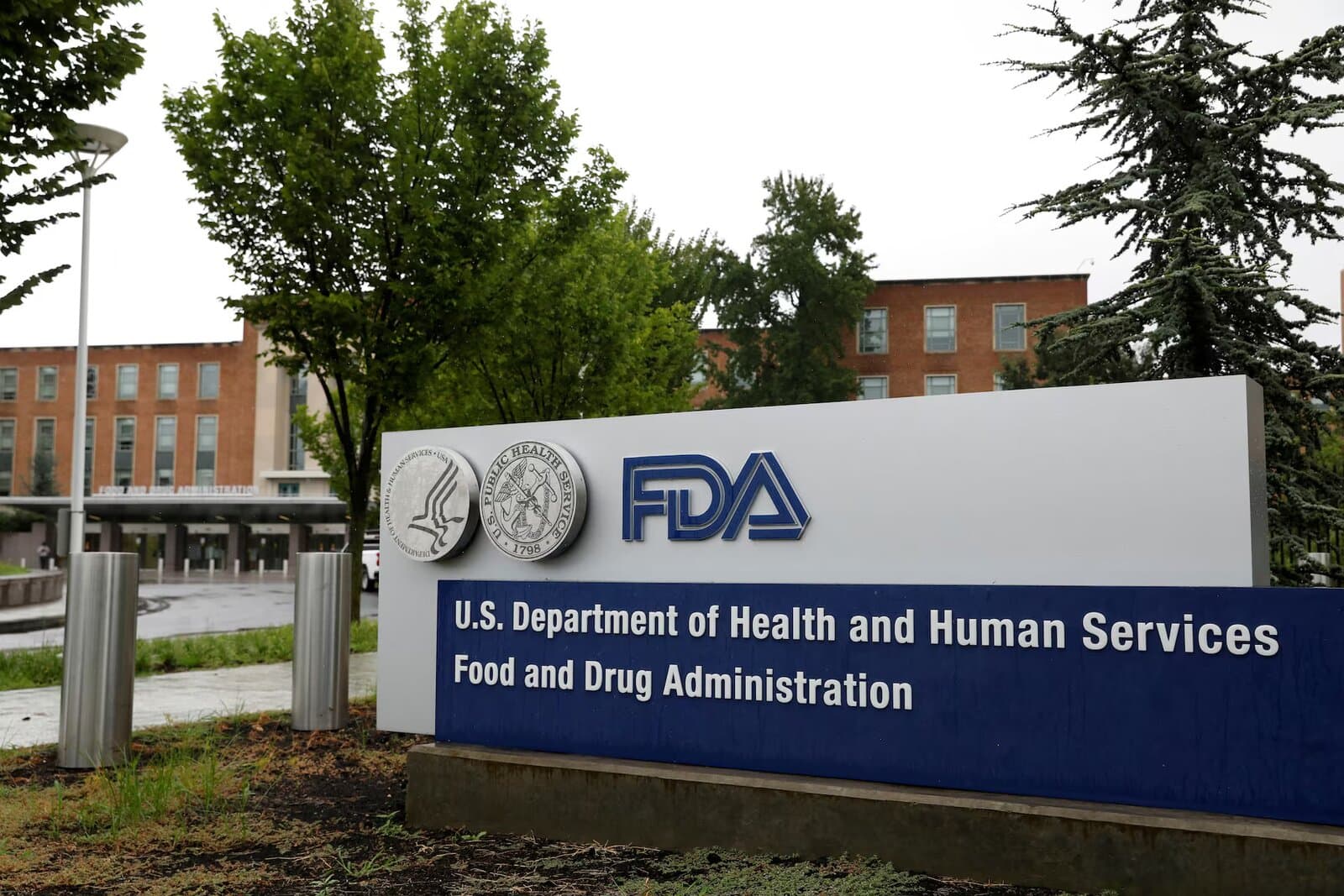
On October 5, 2026, the U.S. Food and Drug Administration (FDA) announced that it is asking the public how early-phase clinical trials of ibogaine should be designed. The request for information was published in the Federal Register the next day, and comments are open until November 20, 2026. Reuters described the step as advancing the first U.S. government-funded trials of ibogaine, a psychedelic compound derived from the roots of the African iboga shrub that remains a Schedule I controlled substance under U.S. law.
Ibogaine is not an approved treatment in the United States, and in Canada it has been tightly controlled since 2017. So the value of this story for Canadian practitioners is not the compound itself. It is the document: a rare, detailed public look at how a regulator thinks about screening, monitoring, staffing and consent when a psychedelic compound carries serious medical risks.
Medically reviewed by Jacque Lovely, RN, MN, MBA, PMP, Reg #74334.
What the FDA announced
According to the FDA, the U.S. Department of Health and Human Services is funding early-phase ibogaine trials through the Advanced Research Projects Agency for Health and the National Institute on Drug Abuse. Two groups are the initial focus: adults with opioid use disorder and adults with post-traumatic stress disorder. The work follows an executive order signed in April 2026 that, as Reuters reported, dedicated US$50 million to federal ibogaine research.
"Patients facing serious conditions that have not responded to existing treatments deserve rigorous scientific investigation of promising new approaches," said Michael Davis, M.D., Ph.D., director of the FDA's Center for Drug Evaluation and Research, in the agency's announcement.
The notice is narrow by design. The FDA says it is not seeking comments on scheduling, legalization or decriminalization, or the effectiveness of any specific product. It is asking one question: how could these studies be run safely?
Why ibogaine is handled differently
The FDA is direct about the hazards. Its notice states that ibogaine causes substantial prolongation of the QTc interval, a change in the heart's electrical cycle that "has been associated with life-threatening ventricular arrhythmias and death." It also cites animal studies reporting dose-dependent neurotoxicity, and acknowledges that whether ibogaine causes lasting neurological or cognitive injury in humans has not been systematically studied.
The agency also notes that an FDA advisory committee questioned in 1993 whether there is a meaningful window between effective and toxic doses, and says those concerns "remain relevant today."
What a trial would have to look like
The proposal reads like a checklist for high-acuity care. Among the elements the FDA puts forward for comment:
Dose. A starting dose not exceeding 10 mg/kg, given once per participant, with small stepwise increases across cohorts.
Setting. An inpatient unit equipped to manage life-threatening arrhythmias, with continuous heart-rhythm monitoring, a physician-led team trained in advanced cardiac life support and a bedside defibrillator. Monitoring would continue until the QTc interval returns to near its pre-dose value, which the notice says "could be as long as 36 hours."
Staffing. At least two staff members per participant during the acute effects, including one licensed mental health professional.
Eligibility. Adults aged 18 to 55, with exclusions that include structural heart disease, a baseline QTcF of 430 milliseconds or greater, a personal or family history of arrhythmia or sudden cardiac death, and a history of seizures, psychosis or bipolar disorder.
Medications. QT-prolonging drugs, selective serotonin reuptake inhibitors and opioid agonists such as methadone and buprenorphine would need to be stopped before dosing. The FDA specifically asks how the risks of stopping opioid agonist treatment, including loss of opioid tolerance, should be managed.
Follow-up and oversight. Cognitive testing from baseline through 12 months, and an independent data and safety monitoring board that includes a cardiologist, a neurologist, a psychiatrist and a biostatistician.
Consent. Participants must receive adequate information about what the FDA calls the "serious, potentially life-threatening risks" of ibogaine drug products.
The Canadian context
Canadian regulators reached a cautious position years ago. In May 2017, Health Canada added ibogaine and its salts, derivatives and analogues to the Prescription Drug List after receiving what it described as "serious and fatal adverse reaction reports," following a 2015 public warning against its use. The listing brought a prescription requirement, limits on compounding and stronger enforcement powers.
Nothing in the FDA notice changes that, and it does not create any pathway to ibogaine in Canada. What it does offer is a clear, citable summary of how a major regulator currently weighs the risks.
What this means for practitioners
Screening is clinical work. Cardiac history, electrocardiograms, electrolytes and a full medication review sit at the centre of the FDA's proposal. The level of detail is a reminder that assessment has to be specific to the compound and to the person.
Care is interdisciplinary. Even in a cardiac-monitored inpatient setting, the FDA expects a licensed mental health professional at the bedside. Physicians, nurses and therapists each hold part of the safety picture.
Patients will ask. Headlines about government-funded trials may prompt questions from people living with addiction or trauma. Practitioners can answer factually: research is at an early stage, the risks identified by regulators are serious, and effectiveness has not been established.
Consent and follow-up are part of care. Twelve months of cognitive follow-up and explicit risk disclosure signal where expectations for the wider field are heading: toward more medical oversight, not less.
Preparing for this field?
Talk with a program advisor about ATMA CENA's training pathways and whether they fit your practice.
Building a strong foundation
For healthcare professionals considering this field, the direction is clear: regulators expect rigorous screening, team-based care and careful informed consent. ATMA CENA's Advanced Pathways are complete programs that include the Psychedelic Therapy Foundations course as part one, and most courses are delivered online. To explore the options, visit the ATMA CENA training page or book a call with a program advisor.
Sources
- FDA Seeks Public Input to Support Ibogaine Research. U.S. Food and Drug Administration, press announcement, October 5, 2026.
- Design and Safety Considerations for Clinical Trials Involving Ibogaine Drug Products; Request for Information. Federal Register, 91 FR 63563 (Docket No. FDA-2026-N-10429), October 6, 2026.
- U.S. advances first government-funded trials of psychedelic drug ibogaine. Reuters via CTV News, October 5, 2026.
- Notice - Prescription Drug List (PDL): Multiple additions. Health Canada, May 19, 2017.
Get trained in ketamine assisted therapy
Explore ATMA CENA locations across Canada.
- Ketamine Therapy Training Edmonton
- Ketamine Therapy Training Calgary
- Ketamine Therapy Training Hamilton
- Ketamine Therapy Training Kitchener-Waterloo
- Ketamine Therapy Training London
- Ketamine Therapy Training Mississauga
- Ketamine Therapy Training Montreal
- Ketamine Therapy Training North Bay
- Ketamine Therapy Training Sarnia
- Ketamine Therapy Training Saskatoon
- Ketamine Therapy Training Vaughan
- Ketamine Therapy Training Windsor
- Ketamine Therapy Training Winnipeg